Movement Highlights
Investing in Inclusive Climate Futures

In 2025, we supported grassroots climate and environmental justice movements to foster inclusive climate futures across these and more issue areas:
- $1.09M in disability-inclusive climate justice grants made through 127 grants in 53 countries.
- $5.43M in feminist climate justice grants made through 694 grants in 87 countries.
- $3.61M in Indigenous rights grants made through 423 grants in 71 countries.
- $4.04M in youth-centered climate justice grants made through 542 grants in 88 countries.
Image Credit: Ceibo Alliance, Life Haven Centre for Independent Living, Afrikovation Hub
Those least responsible for the climate crisis—including Indigenous Peoples, women, smallholder farmers, people with disabilities, and youth—are often those most affected by its impacts. Yet around the world, these same communities are already leading indispensable efforts to foster movements, democratize resources, safeguard ecosystems, and cultivate futures grounded in generations of ecological knowledge and collective care.
At Global Greengrants, we know that lasting environmental solutions cannot take root without justice at their core. The systems driving environmental destruction—rooted in colonization, extraction, and inequity—are the same systems that have long marginalized those facing historical oppression. That understanding shapes how and why we move resources to grassroots movements.
When funders support equitable climate and environmental leadership, we set off ripple effects that support the healing of deep harms, and potential futures rooted in joy and care.
In a moment of intensifying climate disruption and shrinking civic space, supporting community-led solutions that address root causes is essential for building durable, transformative change. It’s the only way to ensure lasting impact.
Explore examples of grassroots movements seeding resilient and inclusive climate futures:

Fostering Future Climate Leadership in Rural Lebanon
“In a rural landscape marked by limited resources and environmental challenges, a newly enlightened and empowered cohort of young individuals has risen, demonstrating a profound understanding of the complex issues facing their communities.”
— Rural Encounters on Environment and Film (REEF)
Image Credit: Rural Encounters on Environment and Film (REEF)
Akkar, Lebanon, is a rural agricultural region and a biodiversity hotspot. It’s home to many unique species from cedar trees to striped hyenas, though the region’s ecosystems are under threat from urbanization, climate change impacts, and man-made destruction such as arson, logging, illegal hunting, and overfishing.
To foster community autonomy and strengthen the region’s long-term climate resilience, Rural Encounters on Environment and Film (REEF), with early support from Global Greengrants, brought youth from Akkar together in 2024 and 2025 for its “REEF Ambassadors” mentorship program focused on ecological storytelling and local climate awareness. Participants explored the impacts of climate change in their region while building creative skills through educational hikes, arts workshops, film criticism sessions, and community presentations that highlighted Lebanese biodiversity and celebrated the richness of local cultures.
At a time when communities in Lebanon were also navigating periods of cross-border violence and instability, the program became an important space for connection, reflection, and collective resilience—offering young people a way to stay rooted in their land, culture, and shared future.
For funders committed to lasting climate and environmental progress, initiatives like REEF’s Ambassadors program show what becomes possible when rural youth are trusted and supported as leaders in their communities. Investing early in grassroots efforts allows movements to build the relationships, knowledge, and local infrastructure needed to sustain change over the long arc of environmental and social transformation. Backing these efforts at their roots helps cultivate the resilient foundations from which more just and climate-secure futures can grow.
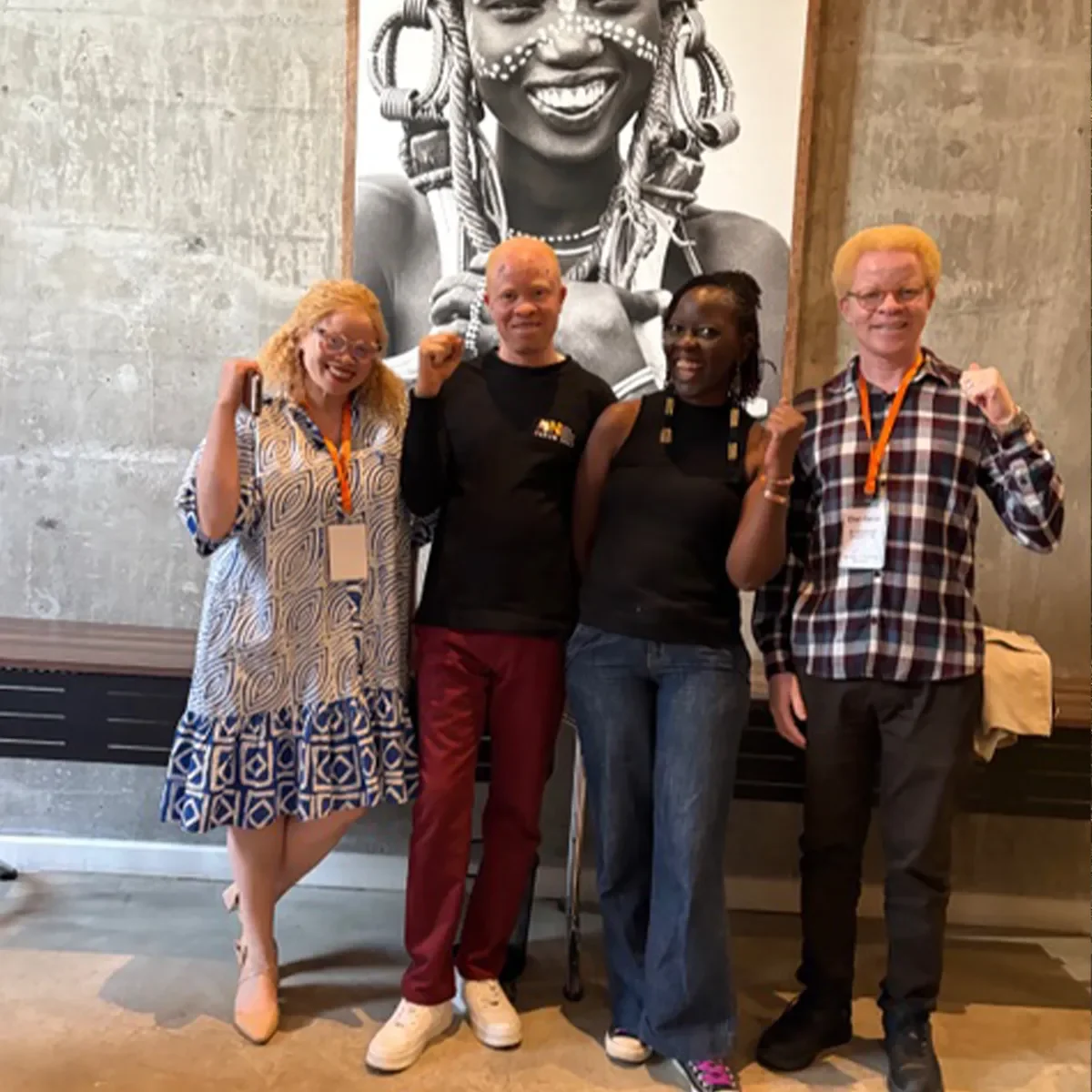
Essential Climate Medicine for People with Albinism
“Now, governments across Africa…have a stronger mandate to make sunscreen accessible and affordable for persons with albinism.”
— Africa Albinism Network
Image Credit: Africa Albinism Network
In 2025, a coalition of disability rights organizations, led by grantee partner Africa Albinism Network, achieved a key victory: the World Health Organization (WHO) restored broad-spectrum sunscreen’s place on its Model List of Essential Medicines.
The WHO decision was a massive win for persons with albinism, particularly in Sub-Saharan Africa, where they face up to 1,000x higher risk of skin cancer compared to the general population, a number that is increasing as global temperatures rise and deforestation persists. The global recognition will ensure that sunscreen remains affordable and accessible for all persons with albinism—and for everyone.
Success like this does not happen overnight. It is the result of years of collaborative advocacy led by the Africa Albinism Network, alongside many allied partners Global Greengrants has supported—including Standing Voice and UN Independent Expert on the Rights of Persons with Albinism, Muluka-Anne Miti-Drummond. Together, they built the momentum that made this milestone possible. The coalition organized webinars and public advocacy campaigns demonstrating why sunscreen is essential for equitable climate futures, and produced an educational video—created in collaboration with persons with disabilities—presented by Miti-Drummond at the United Nations in 2023 (see below). These sustained efforts ultimately led to the successful submission of a petition to the World Health Organization.
This achievement underscores both the urgency of including persons with disabilities in climate action and the transformative power of disability-led movements. It also demonstrates what becomes possible when funders support grassroots groups to work collectively toward shared goals, amplifying impact far beyond what any single organization could achieve alone.
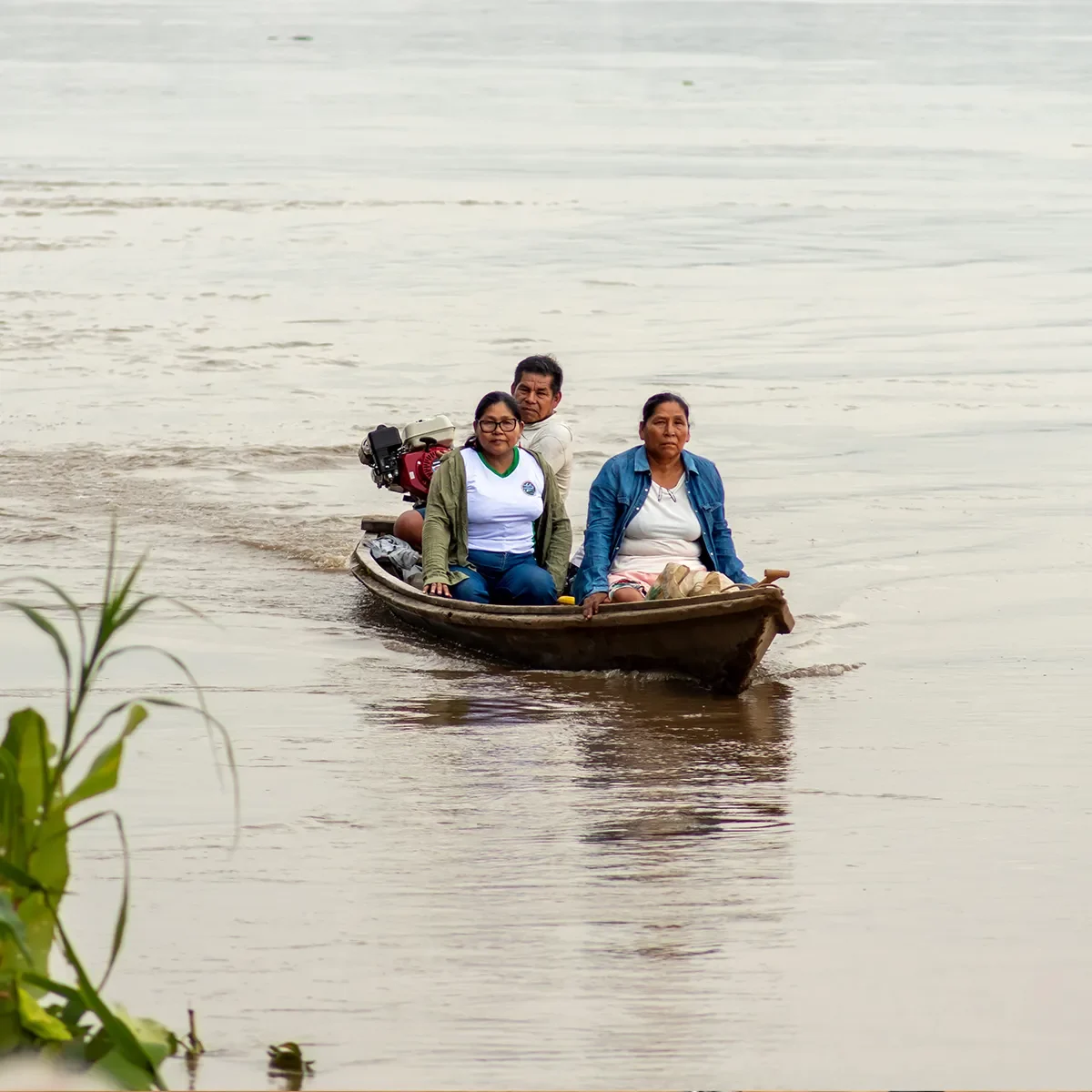
Women River Defenders in Peru
“I wanted to prove once again that I can, we can, women can.”
— Mari Luz Canaquiri Murayari, President of Asociación de Mujeres Huaynakana Kamatahuara Kana, 2025 Goldman Environmental Prize winner
Image Credit: Goldman Environmental Prize/Asociación de Mujeres Huaynakana Kamatahuara Kana
In 2024, Asociación de Mujeres Huaynakana Kamatahuara Kana achieved a monumental victory: a Peruvian court recognized the Marañón River’s right to legal personhood and its right to flow free of contamination.
The Marañón River flows over a thousand miles through the Andes and into the Amazon Basin. It is home to unique biodiversity and is important to Indigenous livelihoods, from agriculture to transportation to food. To the Kukama, one of dozens of Indigenous groups who have co-existed with the Marañón for centuries, rivers are living beings vital to the ecological balance of their lands, and women in particular have an intrinsic bond with them.
Yet since the 1970s, the river and its neighboring lands have been under threat from oil and gas development. Oil spills have polluted the river, harming wildlife and causing significant health impacts for the Indigenous Peoples who live along its banks.
The 2024 court victory stemmed from decades of work by Indigenous-led movements, including groups like Asociación de Mujeres Huaynakana Kamatahuara Kana, which Global Greengrants has supported to conserve the river’s ecosystems, bolster the advocacy skills of Kukama and other Indigenous women, and produce educational materials about the River’s significance to Indigenous communities. It led Asociación de Mujeres Huaynakana Kamatahuara Kana’s President, Mari Luz Canaquiri Murayari, to receive a Goldman Environmental Prize in 2025.
But Asociación de Mujeres Huaynakana Kamatahuara Kana isn’t stopping with a Goldman Prize. In 2025, with continued support from Global Greengrants, they launched a podcast to continue advocating internationally for the river’s protection. Their work is an inspiring example of the power of Indigenous women—when they have the resources required—to enact profound transformation and preserve balanced relationships with ecosystems. It also sets a pivotal precedent for legal protection of the Marañón River and rivers worldwide, opening the door to a key paradigm shift that values the rights of the environment as highly as the rights of people.