Movement Highlights
Restoring Indigenous-Led Territorial Governance

In 2025, Global Greengrants made 423 grants totaling $3.61M in 71 countries in support of Indigenous rights.
Image Credit (L to R): Mongolian Womens Labor Association, Yuturi Warmi
The territorial governance of Indigenous Peoples—from Indigenous-led efforts to rewild land in the Arctic to Indigenous-led conservation in Papua New Guinea—is essential to the survival of biodiversity and our shared planet.
Indigenous Peoples manage approximately 25% of Earth's lands, protecting critical carbon sinks and much of the world’s biodiversity, yet their connection to the land is under threat from forced evictions, pollution, and loss of livelihood. Their traditional ecological knowledge, developed over generations of sustainable stewardship, enables more precise, adaptive, and lasting environmental solutions than top-down approaches could ever achieve—they can contribute upwards of 37% of cost-effective C02 mitigation by 2030.
As safeguards of landscapes that are vital not only for protecting biodiversity but maintaining the global carbon balance, Indigenous Peoples are robust cultivators of futures where people and planet thrive together. Supporting their sovereignty and the right of communities to govern their territories according to their own knowledge systems and traditions is essential to climate and environmental justice. Funders can—and must—resource them and advocate for conservation solutions that center the rights of Indigenous and local peoples; who better to help us live in harmony with our ecosystems than the people who have done so for generations?
Read stories of grassroots movements reclaiming and strengthening Indigenous territorial governance to protect ecosystems and future generations:
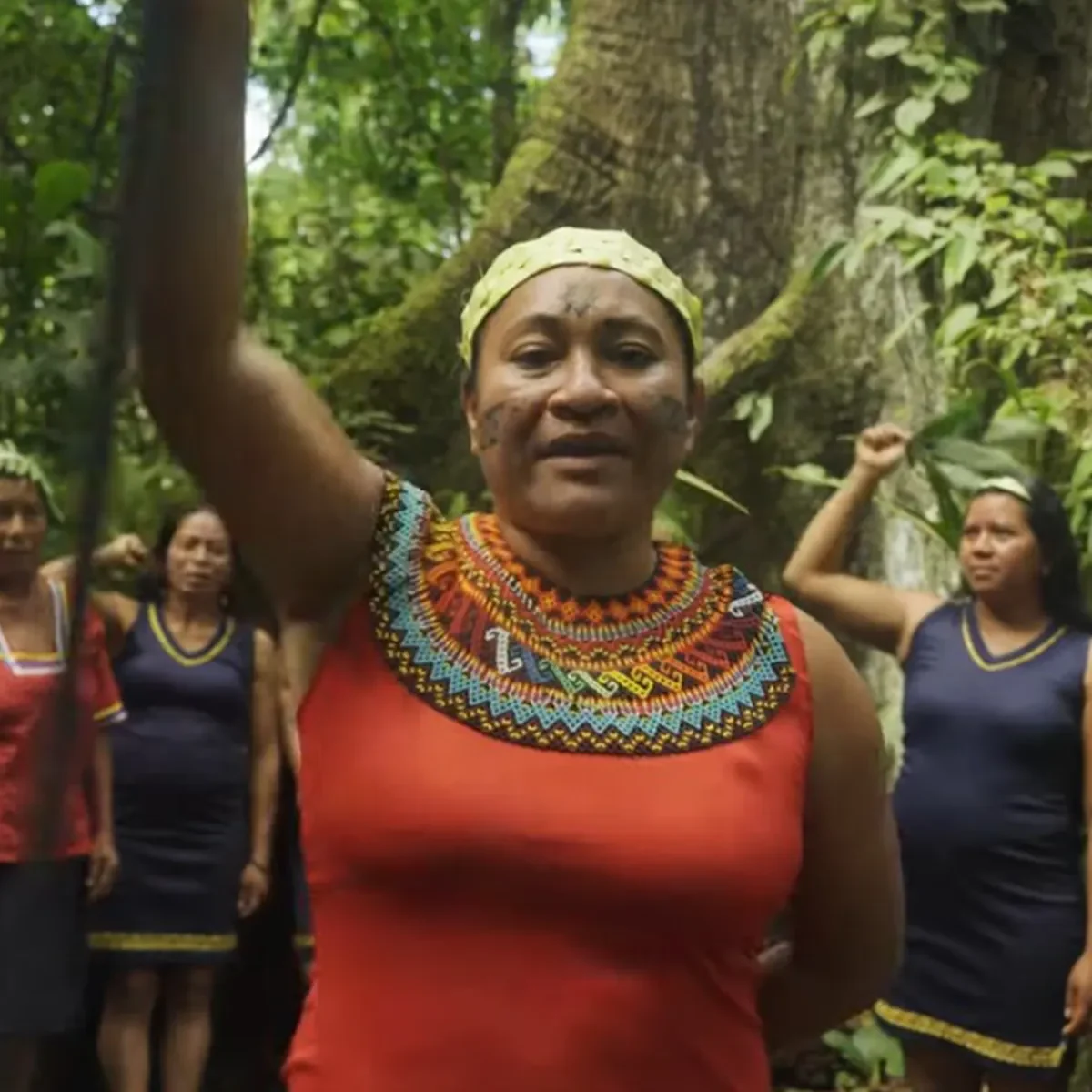
Indigenous Women Leading the Way
“We are sending a message to other communities that we as women have chosen to work and teach our children how to take care of our territory, our environment, our rivers, our forests.”
— Yuturi Warmi
Image Credit: Yuturi Warmi
Near the Napo River in the Ecuadorian Amazon, a group of Kichwa women formed an Indigenous guard to defend their territory from extractive development and imagine equitable alternatives.
Named after a particularly strong ant species in the Amazon, the Yuturi Warmi use Indigenous knowledge systems to monitor their territory for illegal mining, which is already damaging ecosystems and threatening Indigenous livelihoods in one of Earth’s most vital forests. Their defense of this land is vital. Through vigilant monitoring, the Yuturi Warmi enable their communities to respond quickly when illegal mining threatens their territory—protecting not only a critical carbon sink but also their home, medicine, memory, and the living future they safeguard for generations to come.
At the same time, they are building alternatives. Through sustainable handicrafts and agroecological initiatives, the Yuturi Warmi are strengthening women’s economic power and creating livelihoods rooted in care for the land—offering pathways forward that are free from the harms of mining and other extractive industries. Together, these efforts show the power of movements that both resist destructive systems and cultivate the just, regenerative futures they want to see take root.
The Yuturi Warmi are part of a growing movement across the Ecuadorian Amazon working to strengthen Indigenous autonomy and protect some of the world’s most vital ecosystems. For decades, Global Greengrants has supported community-based groups in Ecuador—including the Yuturi Warmi—to monitor environmental threats, convene Indigenous leaders and environmental defenders to share strategies, strengthen territorial stewardship, and expand sustainable agricultural practices that sustain both people and forests.
Together, these communities demonstrate that protecting the Amazon goes hand in hand with strengthening Indigenous governance and livelihoods—helping shape futures rooted in care for land, culture, and community rather than extractive economies.
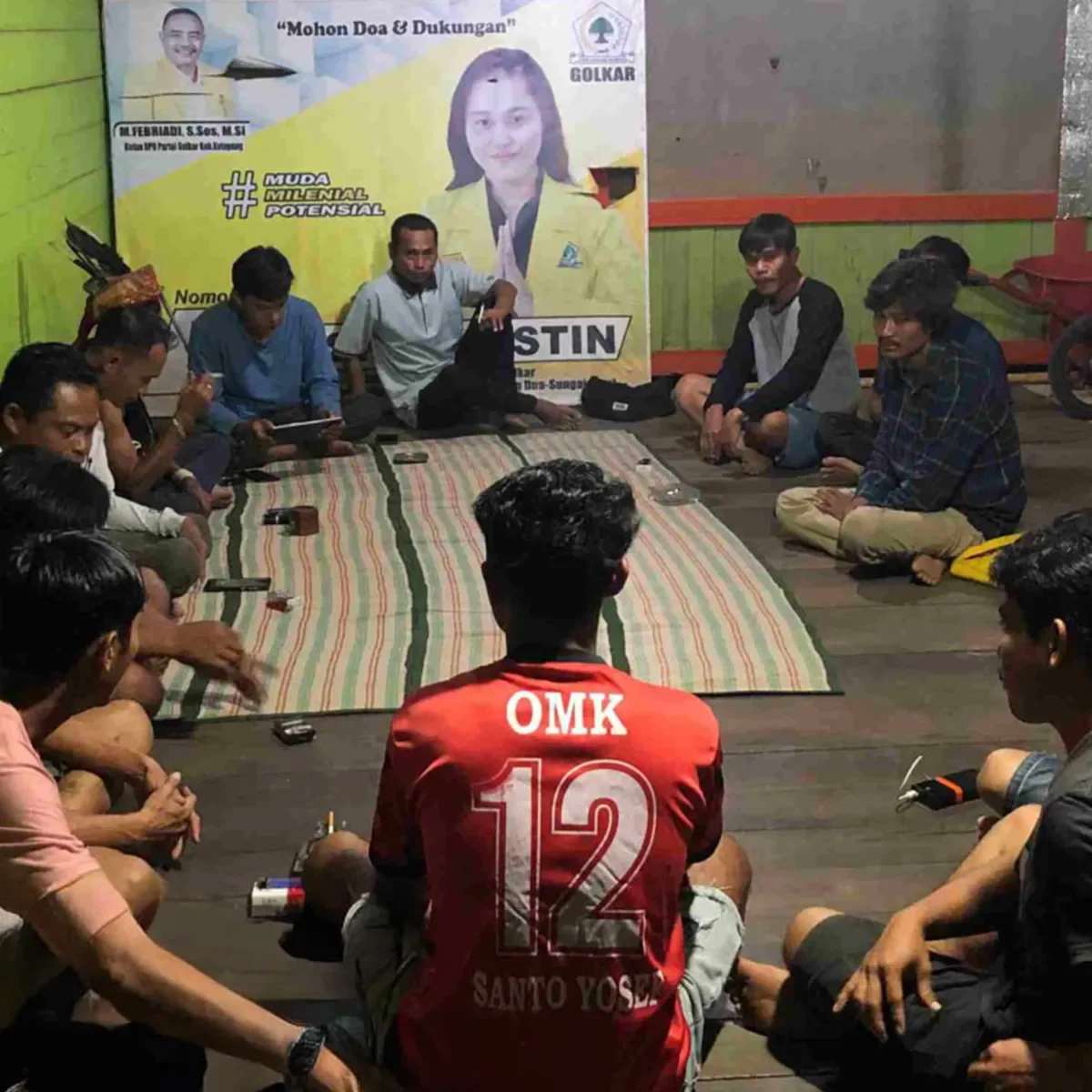
Cultivating Indigenous Power in Indonesia
“The strong, continuous, and unbroken bonds between the people, the community, and their land and customary territory, are the foundation for the Sekucing Kualan village social system.”
— Lingkaran Advokasi dan Riset Borneo (Link-AR)
Image Credit: Lingkaran Advokasi dan Riset Borneo (Link-AR)
Known as the “land of a thousand rivers,” Indonesia’s West Kalimantan Province is a landscape of dense rainforest, vast peatlands, and hundreds of winding waterways. Within this living ecosystem lies Sekucing Kualan village, where the Kualan Dayak Indigenous community has stewarded the land for generations. Drawing on ancestral knowledge refined over centuries, families cultivate rain-fed rice fields, manage rubber groves, and harvest forest resources in ways that sustain both livelihoods and the surrounding forests.
In recent years, however, large-scale logging has begun to threaten this delicate balance. Since 2021, the forestry company PT Mayawana Persada (PT MP) has cleared tens of thousands of hectares of forest and peatland across West Kalimantan. The resulting deforestation increases the risk of flooding and environmental degradation while pushing Indigenous communities away from customary farming lands and forest areas essential to their culture and survival.
In response, the Indigenous-led organization Lingkaran Advokasi dan Riset Borneo (Link-AR) has worked alongside the people of Sekucing Kualan to strengthen community protection of their ancestral territory. With two years of support from Global Greengrants, Link-AR helped villagers document forest cover loss, establish community-based monitoring systems to track corporate activity, and convene community members to learn about their rights and organize collective action. The initiative has also facilitated dialogue with government officials and raised national awareness through media advocacy, amplifying the voices of the Kualan Dayak people.
This work builds on more than two decades of partnership between Global Greengrants, the Samdhana Institute, and Indigenous organizations across Indonesia. Together, these efforts support communities defending forests that represent roughly 10 percent of the world’s remaining tropical rainforests.
The struggle to halt destructive expansion in West Kalimantan continues. Yet the work of Link-AR and the Kualan Dayak community is already strengthening local capacity to defend their territory and sustain their relationship with the forest. Their leadership protects not only cultural traditions and livelihoods, but also ecosystems that play a vital role in maintaining the planet’s climate balance.
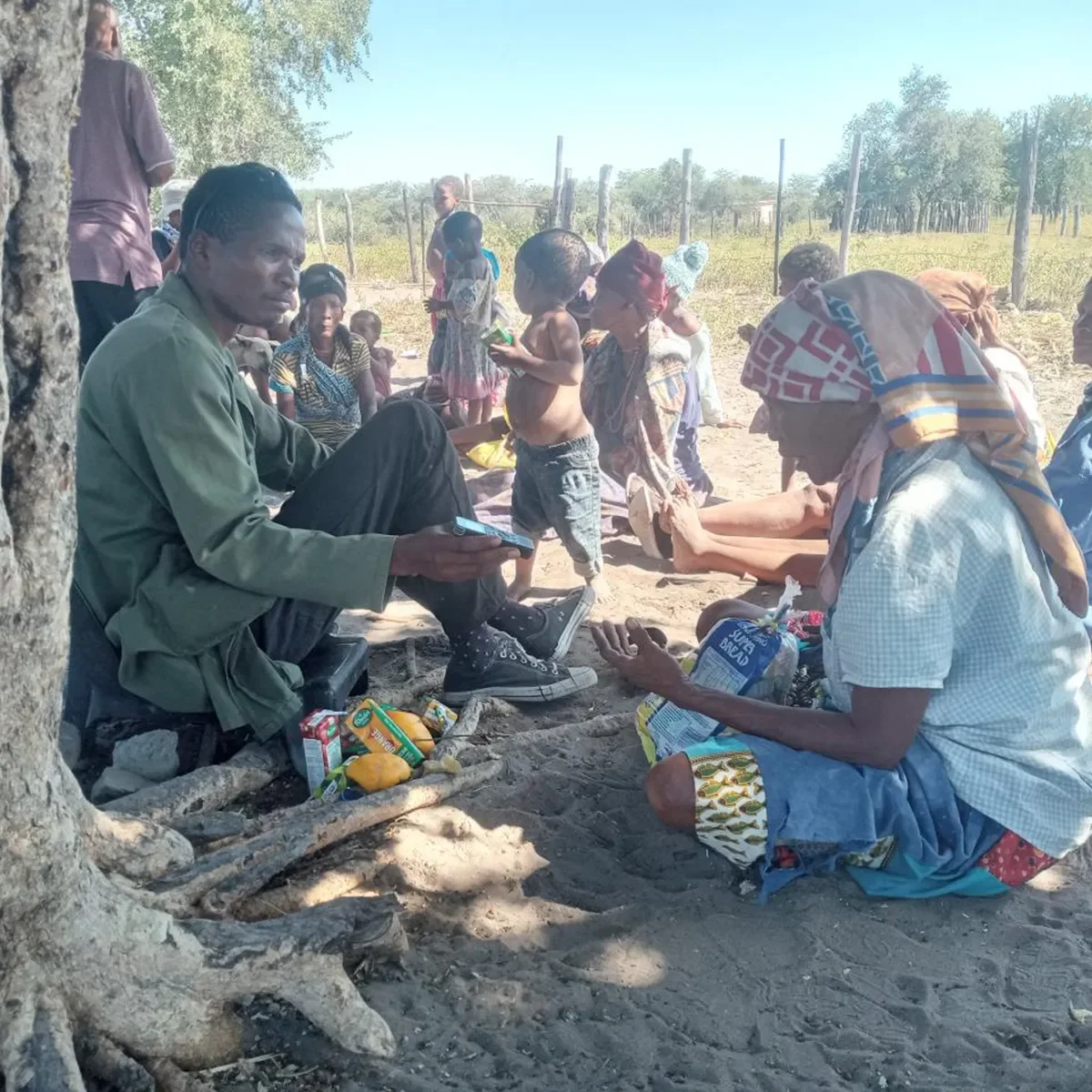
Preserving Vital Traditional Knowledge
“By documenting and sharing this knowledge, we created a bridge between generations and ensured that practices at risk of being lost are preserved.”
— KSBS Charity
Image Credit: KSBS Charity
For thousands of years, Indigenous Peoples like the Bugakhwe, a subgroup of Botswana’s Indigenous San communities, have lived in the Okavango region—home to a unique inland delta recognized as a UNESCO World Heritage site—stewarding its wetlands, wildlife, and seasonal rhythms through deeply rooted ecological knowledge. Their way of life reflects an understanding that people and nature are inseparable. Yet today, Bugakhwe communities face growing pressure from dominant conservation models that often exclude Indigenous peoples from their ancestral lands. These approaches—shaped by colonial histories and external priorities—have led to displacement, forced assimilation, and restrictions on traditional practices, undermining both community wellbeing and the ecological balance the Bugakhwe have carefully maintained for generations.
To protect vital Okavango Delta ecosystems, KSBS Charity preserves and revitalizes the traditional conservation knowledge of the Bugakhwe people. With two years of support from Global Greengrants, KSBS Charity organized community workshops that brought together elders, youth, and knowledge holders to share and document Bugakhwe ecological and cultural practices—from wildlife tracking and seasonal hunting calendars to sustainable harvesting techniques. From these gatherings, the community created an Indigenous San Wildlife Conservation Manual that weaves traditional knowledge with community-based conservation strategies and centers on coexistence with wildlife.
This effort reflects a growing movement toward rights-based conservation—an approach grounded in the recognition that Indigenous Peoples and local communities are among the world’s most effective stewards of biodiversity. Research consistently shows that territories governed by Indigenous peoples experience lower rates of deforestation, stronger biodiversity protection, and greater ecological stability.
Through this work, Bugakhwe communities have strengthened their connection to land, passed knowledge between generations, and built partnerships with local conservation organizations. Together, they are advancing solutions to climate change and human-wildlife conflict while ensuring Indigenous voices shape the future of conservation in the region.
KSBS Charity is one of many groups across Southern Africa that Global Greengrants has supported over the past decade. Across Botswana, Namibia, and beyond, Indigenous communities are defending their territories from extractive pressures while demonstrating that conservation rooted in rights, equity, and local leadership is not an alternative—it is essential for protecting the ecosystems on which we all depend.