Movement Highlights
Forging Just Energy Futures

In 2025, Global Greengrants made 305 grants totaling $2.07M in 67 countries in support of a just energy transition.
Image Credit (L to R): Jeunesse Unie pour le Progrès et le Développement, Climate Rangers Jakarta, Zhasyl El/Green People East Kazakhstan
The shift to a just energy future is already underway, led by communities on the frontlines. Around the world, grassroots groups are resisting extractive energy systems that erode ecosystems and human rights while building democratic energy solutions rooted in local ownership and renewable power. From community-led renewable transportation initiatives in El Salvador to grassroots education campaigns exposing the impacts of coal-fired power plants in Morocco, these efforts demonstrate a powerful truth: when communities have access to and sovereignty over resources, they can shape the energy systems of the future and move us closer to climate justice.
For funders committed to addressing the climate crisis, standing in solidarity with these efforts is not only essential, but the most effective way to shift humanity toward sustainability. By resourcing grassroots leadership, we invest in the knowledge, stewardship, and collective power that make a truly just and lasting energy transition possible.
Explore inspiring examples of grassroots movements meeting local energy needs while protecting ecosystems and community rights:
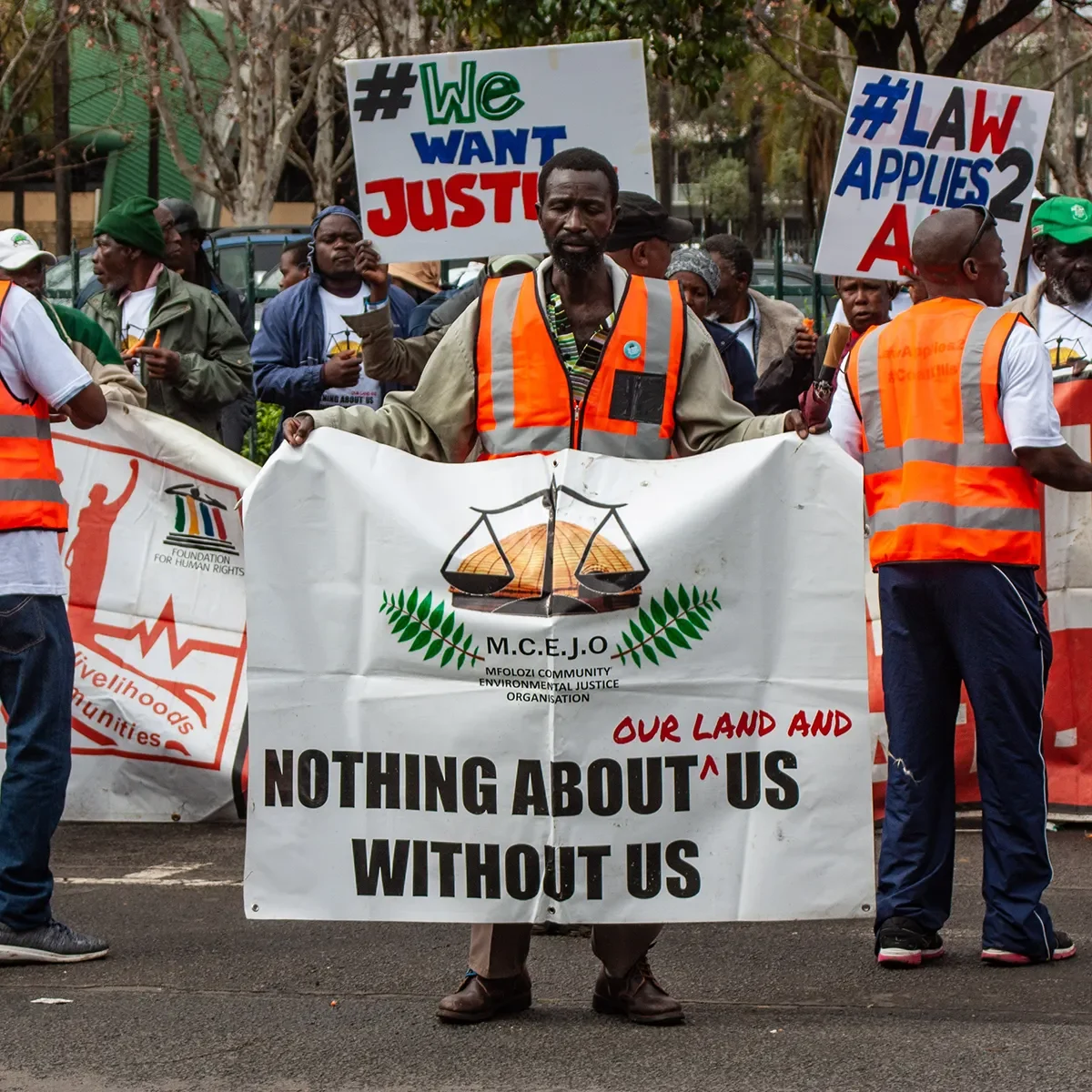
A Just Transition in South Africa
“Successes like this come from decades of struggle. It’s something that people have lived with for many decades.”
— Bobby Peek, Executive Director of groundWork
Image Credit: Rob Symons
In 2025, South Africa launched one of the world’s first Just Energy Transition Plans—a major milestone for climate justice. This breakthrough followed a consequential victory the year before, when grassroots movements and legal advocates successfully halted the government’s procurement of 1,500 MW of new coal-fired power. The court case was built on decades of organizing by South African communities working to protect their health, land, and future.
For more than two decades, Global Greengrants has supported grassroots groups across South Africa—including the Centre for Environmental Rights, Earthlife Africa, groundWork, Mfolozi Community Environmental Justice Organization (MCEJO), and Vukani Environmental Justice Movement in Action—working to advance a just transition away from coal. Together, these organizations have raised local and international awareness about the health and environmental harms of coal mining, strengthened community leadership in energy decisions, and mobilized protests and public pressure on coal companies and government leaders.
This victory demonstrates the power of sustained, well-resourced climate justice movements. Decades of organizing—often beginning with small, community-led actions—can build into coordinated regional pressure capable of shifting national policy. The impact extends far beyond South Africa: it marks an important step toward addressing global energy inequities and advancing democratic, community-led solutions to the climate crisis.
While movements in South Africa must now hold the South African government accountable for carrying out its Just Energy Transition Plan, the court case was a momentous milestone in fomenting long-term, system-level transformation.
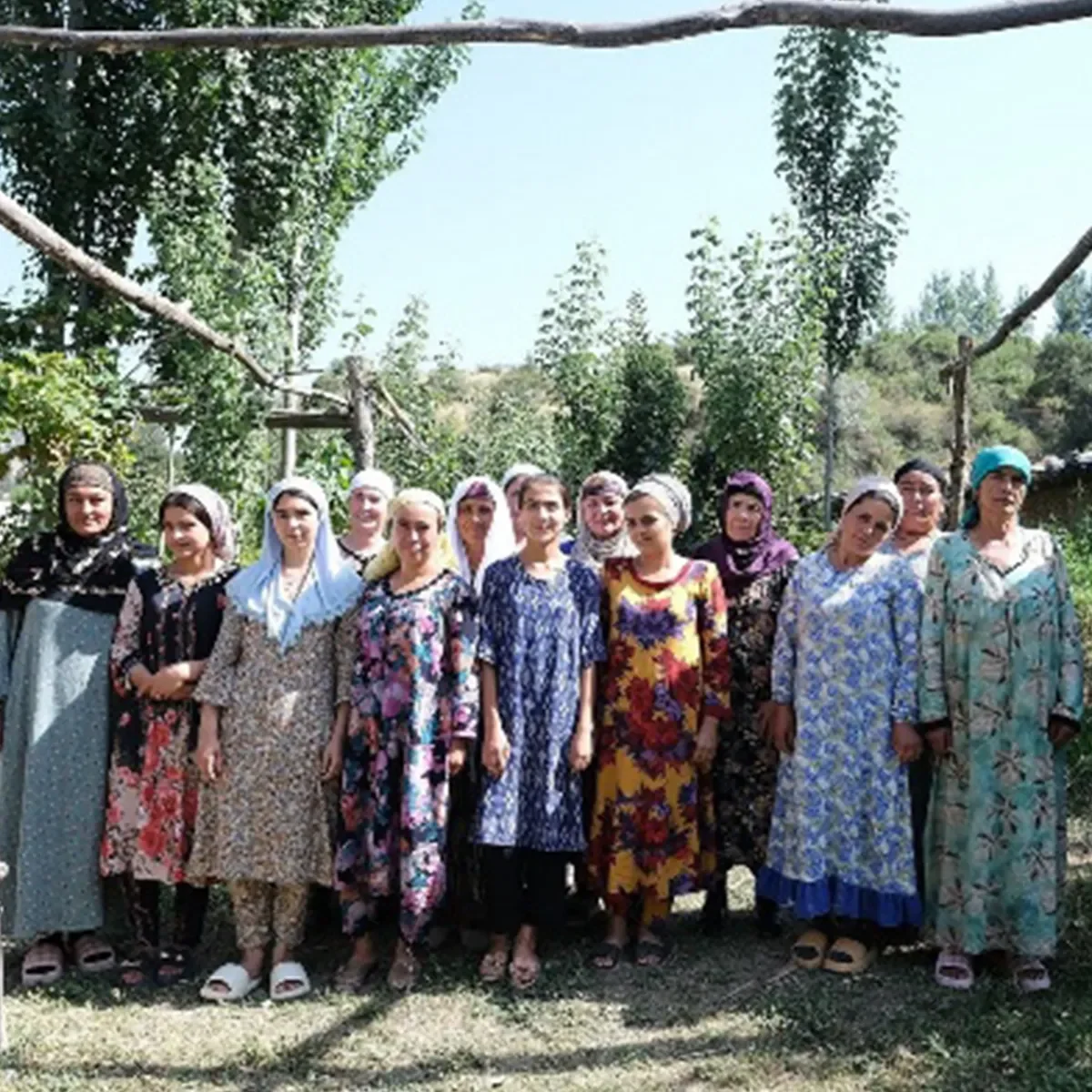
Women’s Energy Leadership in Tajikistan
“Women bear the disproportionate impacts of climate change. At the same time, they are important agents of change who can lead the movement towards a sustainable future. Change is possible when we join forces, inspire and support each other.”
— Timur Idrisov, Senior Advisor, The Little Earth
Image Credit: The Little Earth
In the scenic mountains of Tajikistan, the rural village of Labidjai sits beside serene Lake Labi Jay. The region is known for rolling green hills and untouched snowy peaks, and is home to rural villagers whose families have lived agrarian lives in deep connection with the land for generations.
In many rural Tajik villages, such as Labidjai, limited energy access particularly affects women. Women experience safety risks when gathering firewood or giving birth in darkness, while scarce information about their rights and opportunities limits their participation in regional development.
While equitable energy access is critical for women in Labidjai, The Little Earth knew Tajik communities could benefit from an alternative development path—instead of building pipelines or oil wells that replicate extractive energy systems, benefit big international companies, and encourage fossil fuel use. The Little Earth trained women in Labidjai on the global climate crisis, the use of solar panels, and the importance of collective participation.
As a result, women in Labidjai stepped forward to take a leading role in shaping local energy decisions. Their leadership builds on years of community education and organizing led by The Little Earth, which Global Greengrants has supported since 2019 to help people in Tajikistan explore renewable energy alternatives and challenge harmful development projects.
This work is part of a wider shift unfolding across Central Asia. Community groups are advancing locally led, environmentally sustainable energy solutions, offering alternatives to the extractive systems that have fueled the climate crisis. In Uzbekistan, For Ecologically Clean Fergana is training farmers to use renewable technologies such as solar-powered water purification systems. In Kazakhstan, Public Society UGAM is equipping rural communities with practical skills to adopt solar energy. Together, these efforts are building a growing regional movement, one that strengthens climate resilience from the ground up.
The transformation in Labidjai offers a powerful model for equitable energy systems, demonstrating how community-led solutions can reduce dependence on fossil fuels while strengthening local leadership and resilience. Funding this work is essential to a climate-just future: when communities have the resources to shape their own energy systems, they can build renewable solutions that protect ecosystems, center equity, and strengthen collective agency. Replicated across regions, these locally rooted efforts help accelerate a global transition toward energy systems grounded in justice, care, and shared stewardship.
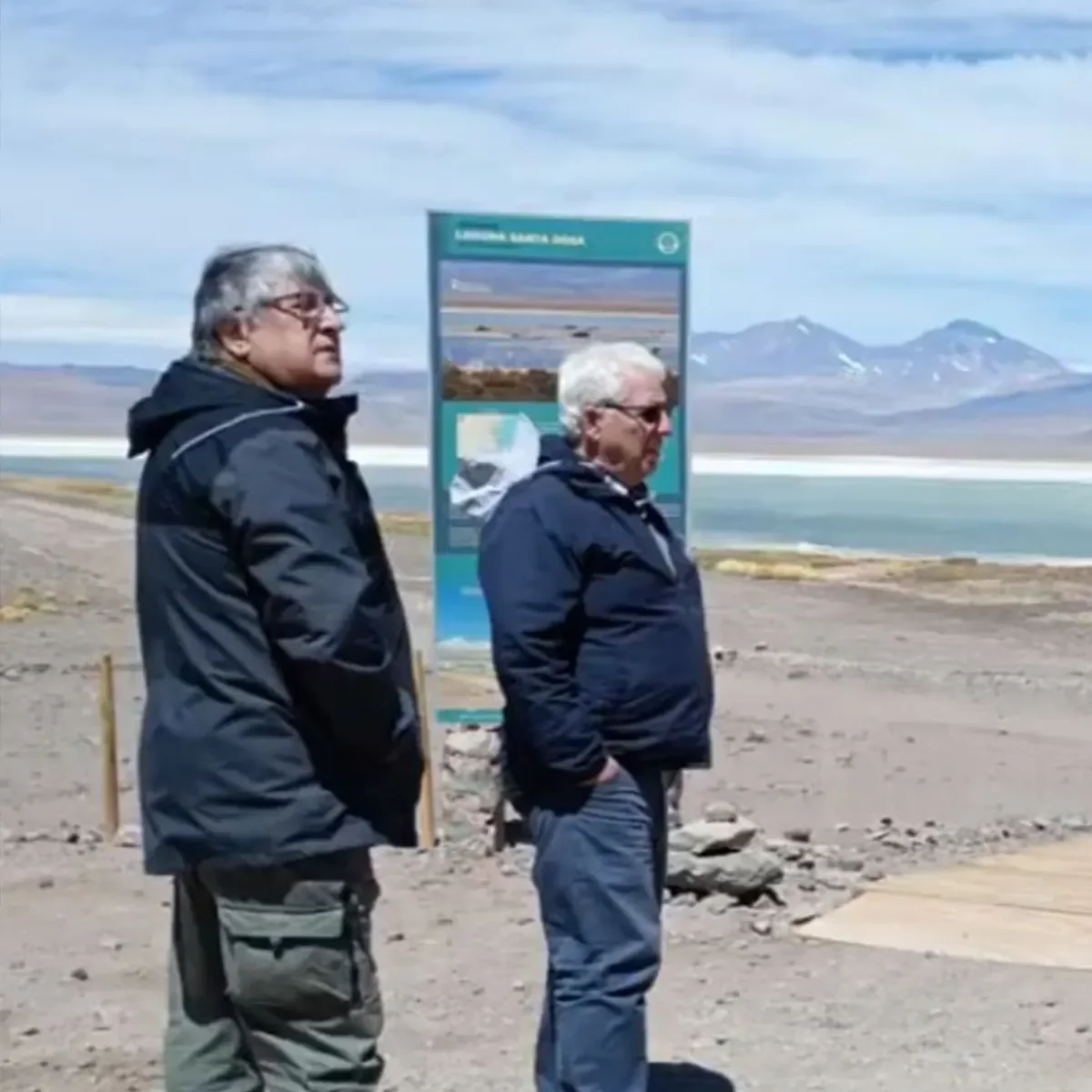
Illuminating the Energy Transition’s Shadow
“To build a truly sustainable future, we need to radically transform our economic and productive model, prioritizing social and environmental justice over the profits of big companies.”
— Observatorio Latinoamericano de Conflictos Ambientales (OLCA)
Image Credit: Observatorio Latinoamericano de Conflictos Ambientales (OLCA)
The Northern Andes is one of the driest regions in the world, sustained by a fragile network of water systems, including salt flats and high-altitude lagoons. At the same time, the region’s mineral-rich landscapes contain significant deposits of lithium and copper.
As global demand for so-called “green” energy technologies such as electric vehicles grows, lithium mining in the Andes has expanded rapidly. This surge in extraction is putting intense pressure on local ecosystems. Mining operations are depleting scarce water supplies, damaging fragile habitats, and disrupting the livelihoods of Indigenous and local communities. For peoples such as the Colla—who have lived in relationship with these lands for centuries practicing sustainable agriculture and seasonally-based livestock herding—these changes threaten both their way of life and the ecological balance of the region.
To protect these unique and complex Andes ecosystems and the people who call them home, Observatorio Latinoamericano de Conflictos Ambientales (OLCA) studies the impacts of lithium mining while advocating for a just energy transition that centers communities over profits.
In 2025, OLCA launched a documentary titled “Lithium Fever,” in which they share what it’s like to live in the world’s “lithium triangle” today, and ask the international community to stand with grassroots movements opposing lithium mining expansion.
For a decade, Global Greengrants has supported nearly a dozen grassroots groups in the Northern Andes, such as OLCA, to resist mining expansion and preserve Indigenous ways of life. They have monitored the local environment, studied the impacts of lithium mining, shared their findings with their community, organized regional gatherings for Indigenous Peoples, and more.
Together, these movements remind us that the path to a just energy future begins with funding the leadership of Indigenous and frontline communities.